

JIN HUA RONG XIN UNIVERSAL IMPORT & EXPORT CO.,LTD is a development company which have more than 10 years experience in cookware . We do OEM and ODM business ,Our special product have die casting aluminum cookware, forged aluminum cookware, stamp cookware and cookware accessories . We located JIN HUA CITY near to YIWU . During these years development , we have partner factories have more than 50000 square meter produce area ,and more than 600 well trained workers.
-
![High Quality Chinese Wok Pan With Non Stick Surface]() High Quality Chinese Wok Pan With Non Stick SurfaceFeature: . Big size of 30cm and 32cm can be suited for big family . . Welding S/S long handle ,comfortable grip and safe to stir-fry . engraving honeycom b structure design inside of pan ,makes
High Quality Chinese Wok Pan With Non Stick SurfaceFeature: . Big size of 30cm and 32cm can be suited for big family . . Welding S/S long handle ,comfortable grip and safe to stir-fry . engraving honeycom b structure design inside of pan ,makes -
![Aluminium Wok Pan]() Aluminium Wok PanLight weight designed : it was suitable lady hold when cooking and cause the light weight ,it makes pan hot fast
Aluminium Wok PanLight weight designed : it was suitable lady hold when cooking and cause the light weight ,it makes pan hot fast -
![Aluminum Wok with Lid]() Aluminum Wok with LidSimple and classic designed of this kind of wok pan black color with black non-stick coating
Aluminum Wok with LidSimple and classic designed of this kind of wok pan black color with black non-stick coating -
![Aluminum Non-stick Wok]() Aluminum Non-stick WokExclusive design with ergonomic structure. Brightly color make this wok looks nice like the artwork.
Aluminum Non-stick WokExclusive design with ergonomic structure. Brightly color make this wok looks nice like the artwork. -
![Big Size Aluminum Wok Pan]() Big Size Aluminum Wok PanAluminum construction for even heat distribution to reduce hot spots .scratch-resistant wok pan outside cause powder coating Visible glass lid Enhanced nonstick wok : wok has easy-to-clean nonstick
Big Size Aluminum Wok PanAluminum construction for even heat distribution to reduce hot spots .scratch-resistant wok pan outside cause powder coating Visible glass lid Enhanced nonstick wok : wok has easy-to-clean nonstick -
![Cast Aluminum Wok]() Cast Aluminum WokEnergy save : Special energy save bottom design makes the wok pan heat quickly and evenly ,could save the 30% energy
Cast Aluminum WokEnergy save : Special energy save bottom design makes the wok pan heat quickly and evenly ,could save the 30% energy -
![Large Aluminum Wok]() Large Aluminum WokWood pattern soft touch handle. Natural 3 layers granite coating with excellent nonstick performance and more hard surface keep long time using non-stick
Large Aluminum WokWood pattern soft touch handle. Natural 3 layers granite coating with excellent nonstick performance and more hard surface keep long time using non-stick


Why Choose Us
High Quality
We offer only high-quality products that meet international standards. All our products are well-tested before delivery to ensure that they are of the best quality.
Competitive Prices
Our prices are very competitive compared to other suppliers in the market. We believe in providing the best value for money to our customers.
Quality Control
We understand the importance of timely delivery to our customers. We have a dedicated team that ensures prompt delivery of goods to our customers.
Rich Experience
We offer a wide range of products including machinery, hardware, textiles, and other products. Our diverse product range ensures that we cater to the needs of all the customers.
Professional Team
Our customers are our priority, and we strive to provide excellent customer service. We have a dedicated team of customer service professionals who are always ready to assist our customers with their queries.
One-stop Solution
We offer our customers flexible payment options and also provide tailor-made solutions that meet their unique requirements.
A wok pan is a traditional East Asian cooking utensil. It is a deep, bowl-shaped pan characterized by a rounded bottom that sits on a stove's burner. The wok originated in China, but it is now used all over the world in various types of cuisine.
Traditionally made of iron, woks are now made using other materials such as stainless steel, cast iron, aluminum, and carbon steel. Carbon steel is the most commonly used material today as it is relatively lightweight, durable, and conducts heat well.
Woks come in different sizes, ranging from small pans used for stir-frying a single serving to large woks used in a restaurant kitchen to feed several people. Some woks also come with a flat-bottomed surface, which makes them compatible with Western-style stovetops.
Shape: The most distinctive feature of a wok pan is its shape. It has a wide and deep base with sloping sides that make it easy to stir and toss food. The shape of the pan ensures that the food stays in the cooking area and doesn't spill out.
Material: Wok pans are made of a variety of materials such as carbon steel, non-stick cast iron, stainless steel, and aluminum. Each material has its own benefits and drawbacks, and users can choose one based on their preferences.
Handles: A wok pan typically has two handles- a long one and a short one. The long handle is used to hold and move the pan while cooking, while the short handle is used to support the pan while cooking on a stove or burner.
Versatility: A wok pan is a versatile cooking tool that can be used for stir-frying, deep-frying, sautéing, searing, steaming, and even smoking. It is also great for making soups and stews.
Heat distribution
Wok pans are designed to distribute heat evenly across the cooking surface. The shape of the pan allows heat to spread through the food quickly, resulting in faster cooking times and better-flavored dishes.
Easy to clean
Most wok pans are made of non-stick materials that make them easy to clean. They can be washed with soap and water or put in a dishwasher.
Health benefits
Wok cooking is often associated with healthy eating as it requires less oil and the food is cooked quickly, retaining most of its nutrients.
Types of Wok Pan
Wok pans are a popular type of cooking utensil used in Asian cuisine. They are versatile and come in a variety of sizes, materials, and shapes to suit different cooking needs. Here are some of the types of wok pans:

01.Carbon steel wok
02.Cast iron wok
03.Non-stick wok
04.Electric wok
05.Stainless steel wok
Material of Wok Pan
Carbon Steel: This is the most traditional material used for making woks, and it also tends to be the most recommended by wok enthusiasts. It's inexpensive, lightweight, durable, and most importantly, it heats up quickly and evenly. Carbon steel does require seasoning and careful cleaning.
Cast Iron: No surprise to anyone, cast-iron woks are heavy. But they do retain heat very well and can withstand extremely high temperatures. A major downside of cast iron is it doesn't adapt to changes in heat very quickly. And like carbon steel, it requires seasoning.
Cast-iron woks are the best option for outdoor use:Although our testing focused on carbon steel, We found this Lodge Cast Iron Wok performs well, but a wok spatula is a must when using cast iron because it's too heavy to toss around.
Stainless Steel: Stainless-steel woks are gaining traction for their even heat distribution and retention. And they require no seasoning, which is a serious upside, especially for those who are new to woks. However, because you cannot create a nonstick surface by seasoning, some foods may stick to the surface. If you're in the market for a stainless-steel wok, we found this Cooks Standard model performed well and maintained a high temperature throughout the cooking process.
Nonstick: For the beginner cook, nonstick is a great option because it's easy to clean and doesn't require seasoning. However, you're not going to get the same sear on meats and veggies as you would with other woks, because the nonstick coating cannot be heated as high. For these reasons, we didn't include any nonstick woks in our testing.
Application of Wok Pan
Wok pan is a versatile kitchen tool that can be used for cooking a variety of dishes. Here are some ways in which you can use a wok pan:
Stir-frying: Wok pans are primarily designed for stir-frying. The shape of the pan makes it perfect for tossing and stirring vegetables and meats over high heat. This method of cooking is quick and results in deliciously cooked food.
Deep-frying: Due to the high walls of the wok pan, it is also great for deep-frying foods like chicken wings, french fries, and other snacks. The high walls prevent oil splatters and make it easier to handle hot oil.
Boiling: You can use your wok pan for boiling noodles, dumplings, and vegetables. The large size of the wok pan allows you to cook large batches of food, making it ideal for family-style meals.
Steaming: Wok pans can also be used for steaming seafood, vegetables, and dim sum. Simply place the food on a steamer rack inside the wok pan and cover it with a lid.
Roasting: Wok pans can also be used for roasting meats and vegetables in the oven. The wide cooking surface and high walls make it perfect for roasting large cuts of meat or a variety of vegetables.

Process of Wok Pan
A wok pan is a versatile cooking tool that can be used to stir-fry, steam, boil, and deep-fry food. Here is a detailed process of using a wok pan:
Seasoning the Wok: Before using the wok for the first time, it needs to be seasoned. The process of seasoning helps to create a natural non-stick surface, prevents rusting, and enhances the flavor of the food. To season the wok, wash it with hot soapy water, and dry it immediately. Heat the wok over high heat until it starts to smoke. Add a tablespoon of oil and swirl it around the wok, coating every inch of the surface. Let it cool, and wipe off any excess oil with a paper towel. Repeat this process until the wok develops a dark patina.
Preheat the Wok: Place the wok over high heat and preheat it for a few minutes until it starts to smoke. This will ensure that the wok is hot enough to cook the food evenly.
Prepare the Ingredients: Cut the ingredients into bite-sized pieces and prepare any sauces or seasonings you plan to use. Have everything within reach as the cooking process is fast-paced.
Cook the Ingredients: Add a tablespoon of oil to the wok and swirl it around to coat the surface. Add the ingredients in the following order: aromatics (garlic, ginger, etc.), meat, vegetables, and finally the sauce. Stir-fry the ingredients continuously using a spatula or a pair of tongs until they are cooked through and evenly coated with the sauce. If the wok becomes dry, add a little bit of water, broth, or more sauce.
Serve: Transfer the stir-fried ingredients to a serving dish and garnish with scallions, sesame seeds, or any other toppings you prefer. Wok-cooked dishes are best served immediately while they are still hot and crispy.
Clean the Wok: After using the wok, allow it to cool down and wipe it clean using a paper towel. Avoid using soap as it will remove the seasoning. Rinse the wok with hot water, and scrub it with a soft sponge if necessary. Dry the wok thoroughly and apply a thin layer of oil to the surface to keep it from rusting. Store the wok in a dry, well-ventilated area.
Components of Wok Pan
A wok pan is a versatile cooking utensil traditionally used in Chinese and Southeast Asian cuisine. It consists of several essential components that give it its unique shape, functionality, and cooking properties. Here are the main components of a wok pan:
Shape - A wok pan is typically round-bottomed with a diameter that ranges from 8 to 16 inches. The shape of a wok allows for quick and even heating, with a smaller surface area that concentrates heat on the bottom and a larger surface area that spreads heat to the sides. This makes it perfect for stir-frying, deep-frying, boiling, and steaming.
Material - Wok pans are made from a variety of materials, including carbon steel, stainless steel, cast iron, and aluminum. Carbon steel is the most popular material because it is lightweight, durable, and conducts heat well. Stainless steel wok pans are less reactive to acidic foods and easier to clean, but they don't conduct heat as well. Cast iron wok pans are heavy, durable, and retain heat well, but they are slower to heat up and require seasoning. Aluminum wok pans are lightweight, conduct heat well, and cool down quickly but are less durable than other materials.
Handles - Wok pans usually have one or two handles attached to the sides of the pan, or a long handle opposite a small handle that is used for tossing the food. The handles are typically made of steel, wood, or plastic and should be sturdy and heat-resistant for safety and ease of use.
Lid - Many wok pans come with a lid that helps retain heat, steam food, and prevent splatters. The lids are usually made of glass or metal and are designed to fit tightly over the pan.
Cooking Accessories - Some wok pans come with additional accessories like a steaming rack, a ladle, or a spatula that are specifically designed to fit the dimensions of the wok and make cooking easier and more efficient.

Both carbon-steel and cast-iron woks require seasoning before cooking to make sure food doesn't stick. Think of this process as creating your own natural nonstick surface that can withstand high temperatures. Here are step-by-step instructions for seasoning your new wok:
Clean your wok. Hand wash your wok using dish soap, warm water, and a sponge. This will help to remove any of the machine oil applied to prevent rusting during transit.
Heat your wok. Fire up the stove and heat your wok on high heat for about 10 minutes. Rotate the wok to ensure all sides are evenly heated. The color may begin to change — this is normal!
Oil your wok. While your wok is still hot, use a paper towel or rag to apply a small amount of high-smoke point oil, such as vegetable oil. Cover the entire surface area of the wok with the oil. Then use a rag or paper towel to wipe away as much of the oil as you can.
Keep your wok hot. Allow the wok to sit on high heat for an additional five minutes. You'll notice the color of the wok will begin to change once again, and this is a good sign. Go ahead and turn off the burner and let it cool. Your wok is seasoned and ready to use. To continue building the seasoning, repeat these steps as many times as you'd like.
To protect the coating you worked so hard to achieve, you should avoid cleaning your wok with any abrasive sponge or cleaning tool. After each use, use warm water and a non-abrasive sponge with a small amount of dish soap (don't use any cleaning agent stronger than this) to hand wash it. Immediately dry your wok before storing it to avoid rusting.
If you've watched someone cook with a wok in a professional kitchen, you may have seen them throw all of the ingredients into a wok together, toss it a few times, and transfer it to a plate. These professional cooks are often using stoves and woks that are very hot – likely much hotter than you will ever get at home.
Fortunately, ther's an easy way to get everything to cook properly in your home kitchen. Simply cook them in the following order:
Step 1: Heat Oil
To get started, place your wok over medium-high heat. When the wok is hot, add about 1 Tablespoon of cooking oil (see above for some good options) and rotate / swirl the wok to distribute the hot oil over the bottom and sides.
Step 2: Sear Protein and Set Aside
Tip: Before adding protein to the wok, pat it dry with paper towels. Dry protein will sear more easily. (Proteins that are not dry will steam instead of sear.)
To heated oil, add protein of choice (chicken, beef, pork, shrimp, tofu, etc) in a single layer. Leave the protein, without stirring, for a couple minutes, until it sears on the bottom. Use a spatula (a wok spatula works great for this) to flip the protein and sear the other side.
Step 3: Cook Aromatics
Return the wok to medium-high heat and add another 1 Tablespoon of cooking oil. Add aromatics (like garlic, onions, ginger, shallots, chilis). Cook these, stirring constantly, for a minute so they start to flavor the oil.
Step 4: Cook Vegetables
To aromatics, add vegetables in order from longest cooking time to shortest cooking time. Here are a few examples:
With all vegetables, stir them frequently as they cook. You can also shake the wok back and forth or use it to toss the vegetables a few inches into the air if you're feeling brave!
Tip: As you're cooking the vegetables, if the wok starts to look dry or the vegetables start to burn before they are cooked through, add about 1 Tablespoon of water. If you do this with the longer cooking vegetables, you can cover the wok with a lid after adding the water. This will steam the vegetables and help them to soften without burning.
Step 5: Add Protein, Sauce, Rice
When the vegetables are all cooked to tender, add the protein back to the wok and pour the sauce / liquids down the sides of the wok. Pouring the liquids down the sides will help them to heat up before reaching the other ingredients. If cooking fried rice or another grain, add them now too (note: any grain / rice should be pre-cooked and tender before adding them to the wok).
Toss everything together until protein is cooked through and everything is coated in sauce.
Our Factory
JIN HUA RONG XIN UNIVERSAL IMPORT & EXPORT CO.,LTD is a development company which have more than 10 years experience in cookware . We do OEM and ODM business ,Our special product have die casting aluminum cookware, forged aluminum cookware, stamp cookware and cookware accessories .


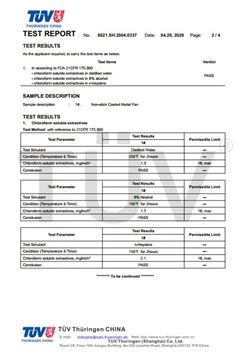
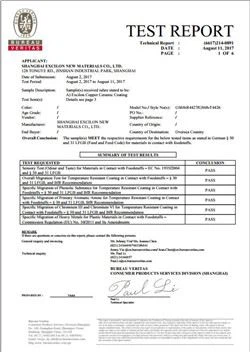
CERTIFICATE


FAQ
We're well-known as one of the leading wok pan manufacturers and suppliers in China. We warmly welcome you to wholesale customized wok pan at competitive price from our factory. Good service and quality products are available.
Cast Aluminum Wok, Aluminium Wok Pan, Aluminum Wok With Lid


