

JIN HUA RONG XIN UNIVERSAL IMPORT & EXPORT CO.,LTD is a development company which have more than 10 years experience in cookware . We do OEM and ODM business ,Our special product have die casting aluminum cookware, forged aluminum cookware, stamp cookware and cookware accessories . We located JIN HUA CITY near to YIWU . During these years development , we have partner factories have more than 50000 square meter produce area ,and more than 600 well trained workers.
-
![skillet non stick pan]()
-
![Copper Cookware]()
-
![TRI-PLY STAINLESS STEEL SAUTE PAN]() TRI-PLY STAINLESS STEEL SAUTE PANDescriptions Ø SUS304+aluminum+SUS430 composite material makes pan heat quickly and evenly .,this pan can heats up within 2 minutes . Ø Tri-ply saute pan use Micro-Engraving technology., engraving
TRI-PLY STAINLESS STEEL SAUTE PANDescriptions Ø SUS304+aluminum+SUS430 composite material makes pan heat quickly and evenly .,this pan can heats up within 2 minutes . Ø Tri-ply saute pan use Micro-Engraving technology., engraving -
![Cast Aluminum Fry Pan]() Cast Aluminum Fry Pan● Durable pan make of aluminum alloy by die casting. ● Cold touch removable handle. ● Natural granite coating with excellent nonstick
Cast Aluminum Fry Pan● Durable pan make of aluminum alloy by die casting. ● Cold touch removable handle. ● Natural granite coating with excellent nonstick -
![Aluminum Frying Pan with Lid]() Aluminum Frying Pan with Lid● Zero PFOA ceramic coating with good nonstick performance. ● Soft touch handle for comfortable handle. ● Natural 2 layers white ceramic coating with excellent nonstick
Aluminum Frying Pan with Lid● Zero PFOA ceramic coating with good nonstick performance. ● Soft touch handle for comfortable handle. ● Natural 2 layers white ceramic coating with excellent nonstick -
![Non-stick Aluminum Fry Pan]() Non-stick Aluminum Fry Pan● Light weight for easy using ,suitable for lady. ● Cool and soft touch long handle. ● Teflon coating with excellent nonstick and healthy cooking
Non-stick Aluminum Fry Pan● Light weight for easy using ,suitable for lady. ● Cool and soft touch long handle. ● Teflon coating with excellent nonstick and healthy cooking -
![Rose Shape Aluminum Pan with Lid]() Rose Shape Aluminum Pan with Lid● Beautiful rose-designed shape cookware. ● Rose pattern lid handle. ● Superior quality 2 layers non-stick coating
Rose Shape Aluminum Pan with Lid● Beautiful rose-designed shape cookware. ● Rose pattern lid handle. ● Superior quality 2 layers non-stick coating -
![6 Inch Aluminum Fry Pan]() 6 Inch Aluminum Fry Pan● 6 inch aluminum mini fry pan. ● Non-stick black Teflon coating. ● Mini breakfast pan for making breakfast fast
6 Inch Aluminum Fry Pan● 6 inch aluminum mini fry pan. ● Non-stick black Teflon coating. ● Mini breakfast pan for making breakfast fast -
![Ceramic Coated Aluminum Fry Pan]() Ceramic Coated Aluminum Fry Pan● Design of a safe and energy-efficient pan ,heat conduction is fast and even. ● Low-fat ,low calorie ,smoke-free and healthy cooking needs. ● Can use for induction cooker
Ceramic Coated Aluminum Fry Pan● Design of a safe and energy-efficient pan ,heat conduction is fast and even. ● Low-fat ,low calorie ,smoke-free and healthy cooking needs. ● Can use for induction cooker -
![Eco Friendly Frying Pan with Lid]() Eco Friendly Frying Pan with Lid● Light weight pan made by food grade aluminum. ● Soft touch red color handle. ● White ceramic coating with free oil to fry eggs
Eco Friendly Frying Pan with Lid● Light weight pan made by food grade aluminum. ● Soft touch red color handle. ● White ceramic coating with free oil to fry eggs


Why Choose Us
High Quality
We offer only high-quality products that meet international standards. All our products are well-tested before delivery to ensure that they are of the best quality.
Competitive Prices
Our prices are very competitive compared to other suppliers in the market. We believe in providing the best value for money to our customers.
Quality Control
We understand the importance of timely delivery to our customers. We have a dedicated team that ensures prompt delivery of goods to our customers.
Rich Experience
We offer a wide range of products including machinery, hardware, textiles, and other products. Our diverse product range ensures that we cater to the needs of all the customers.
Professional Team
Our customers are our priority, and we strive to provide excellent customer service. We have a dedicated team of customer service professionals who are always ready to assist our customers with their queries.
One-stop Solution
We offer our customers flexible payment options and also provide tailor-made solutions that meet their unique requirements.
Fry Pan is a type of kitchen cookware that is typically used for frying or sautéing food. It is typically constructed from metals such as aluminum, stainless steel, or cast iron, and it often has a non-stick coating to prevent food from sticking to the pan. Fry pans typically have flared sides to help release heat and prevent food from splattering, and they often have long handles to keep the cook’s hands away from the heat. Fry pans come in a variety of sizes and shapes, and they can be used on a stovetop or in an oven. When choosing a frying pan, it is important to consider the size of the pan, the type of metal it is made from, and the length of the handle.
Advantages of Fry Pan
Even heat distribution
Fry pans offer even heat distribution, which means your food will cook more evenly and won't burn in some places while remaining undercooked in others.
Versatility
You can use a fry pan for a wide range of cooking tasks, including sautéing, frying, searing, and even baking.
Non-stick options
Many fry pans feature non-stick coatings, which prevent food from sticking to the pan and make cleanup easier.
Durability
A high-quality fry pan is made to last for years, making it a worthwhile investment for any kitchen.
Quick-cooking
Fry pans heat up relatively quickly compared to other cooking vessels, making them ideal for quick meals or last-minute cooking.
Healthy cooking
When using a fry pan, you can cook with less oil, making your meals healthier and lower in fat.
Easy to handle
Fry pans come in a variety of sizes, making them easy to handle and perfect for cooking small meals or single servings.
Space-saving
Fry pans are typically lightweight and compact, making them a great space-saving option for smaller kitchens.

Non-stick Fry Pan: Non-stick fry pans are coated with a non-stick material that prevents food from sticking, making them easy to clean. They are ideal for cooking foods like eggs, pancakes, and delicate fish.
Stainless Steel Fry Pan: Stainless steel fry pans are durable and easy to clean. They are good for cooking foods that require high heat, like steaks or sautéed vegetables.
Cast Iron Fry Pan: Cast iron fry pans are heavy-duty, and they retain heat well. They are ideal for searing meats and cooking dishes like frittatas and cornbread.
Ceramic Fry Pan: Ceramic fry pans are non-stick and easy to clean. They are also durable and scratch-resistant, making them a good option for everyday cooking.
Copper Fry Pan: Copper fry pans have excellent heat conductivity, which makes them ideal for cooking foods that require precise temperature control. They are also durable and can last for years if cared for properly.
Hybrid Fry Pan: Hybrid fry pans are a combination of different materials, like stainless steel and copper. They offer the benefits of each material, making them versatile and ideal for a wide range of cooking activities.
Aluminum Fry Pan: Aluminum fry pans are inexpensive and lightweight. They heat up quickly, making them great for cooking foods like eggs and vegetables.
Material of Fry Pan
A fry pan is a type of cookware that is used for frying, sautéing, browning, and searing food items. The material of a fry pan can greatly impact its performance and durability.
One of the most common materials used for fry pans is stainless steel. Stainless steel is durable and long-lasting, and it does not react with acidic foods like tomatoes or citrus. However, it may not be the best option for even heat distribution as it can create hot spots.
Aluminum is another popular material for fry pans. It is a good conductor of heat and helps distribute heat evenly across the pan. Aluminum fry pans are lightweight, easy to handle, and affordable. However, they are not as durable as stainless steel options.
Cast iron is a classic material for fry pans. It is extremely durable and retains heat well, making it ideal for searing and browning. Cast iron fry pans require seasoning to prevent rust, and they are often heavier than other materials.
Ceramic-coated fry pans are another option. They have a non-stick surface that makes cooking and cleaning up easy. Ceramic is also scratch-resistant and does not release any harmful chemicals.
Non-stick fry pans are coated in a special material that prevents food from sticking. They are easy to clean and require less oil or butter when cooking. However, the non-stick coating can wear off over time, and they may not be as durable as other materials.
Application of Fry Pan
A fry pan is a versatile kitchen tool that can be used for a wide range of cooking applications, from sautéing vegetables, stir-frying meats to frying eggs and making pancakes. Fry pans are available in various sizes, and materials such as stainless steel, cast iron, copper, and non-stick coatings.

01.Sauteing
02.Stir-frying
03.Frying
04.Braising
05.Roasting
Process of Fry Pan
The manufacturing process of frying pans typically involves several steps, from material selection to final finishing. Here is a general overview of the frying pan manufacturing process:
Material Selection: Choose a suitable material for the frying pan, such as stainless steel, cast iron, aluminum, or non-stick coated materials. Consider factors such as heat conductivity, durability, and non-stick properties based on the desired end product.
Material Preparation: Prepare the selected material for the manufacturing process. This may involve cutting or shaping the material into the desired size and shape for the frying pan.
Forming the Pan Body: Use a forming process, such as deep drawing or metal spinning, to shape the material into the frying pan’s body. The material is pressed or spun to achieve the desired pan shape, including the bottom, sidewalls, and handle attachment points.
Handle Attachment: Attach the handle to the pan body using welding, riveting, or screwing methods. The handle should be securely attached to ensure proper functionality and safety during use.
Surface Treatment: Apply surface treatments to the frying pan, depending on the desired finish and functionality. This may include processes like polishing, grinding, or sandblasting to achieve a smooth surface. For non-stick pans, a non-stick coating may be applied following the manufacturer's guidelines.
Heat Treatment: Subject the frying pan to a heat treatment process to improve its strength, durability, and heat distribution properties. Heat treatment processes vary based on the material used and can include annealing, tempering, or hardening.
Finishing and Polishing: Perform any necessary finishing and polishing processes to enhance the aesthetic appearance of the frying pan. This may involve buffing, polishing, or electroplating to achieve a desired surface finish.
Quality Control: Implement quality control measures throughout the manufacturing process to ensure that the frying pans meet the required standards. Conduct inspections, dimensional checks, and functional tests to verify the quality, performance, and safety of the frying pans.
Packaging: Package the finished frying pans in suitable packaging materials to protect them during storage and transportation. Label the packaging with relevant information, such as product details, safety instructions, and branding.
Are Frying Pans Dishwasher Safe?
In general, we recommend avoiding the dishwasher when it comes to pots, pans and cooking knives. The high-heat rinse cycle and harsh chemicals used in a dishwasher can damage the finish on your cookware, and it can also loosen the fittings that affix the handles to the pan. If you must use the dishwasher, check with the manufacturer first to make sure your pan is actually dishwasher-safe.
How to Clean a Frying Pan
The best way to clean a frying pan is by hand. Be sure to wait until the pan is completely cooled, or you can risk warping the pan or chipping any enameled or nonstick coating. If the pan has any burnt-on bits, soak the cooled pan in the sink using warm, soapy water. Really stubborn messes can be cleaned by simmering 1/4 cup of baking soda in a few inches of water for about 10 minutes. When the baking soda-water mixture cools, wash your pan like normal with soap and warm water.
Components of Fry Pan
A frying pan, also known as a fry pan or skillet, is a common kitchen tool used for cooking a variety of foods such as eggs, bacon, vegetables, and meats. It consists of several components to make it functional for cooking:
Body: The main component of the frying pan is its body, which is typically round in shape and made of materials such as cast iron, stainless steel, aluminum or copper. The body is designed to hold and distribute heat evenly across the surface and allows for easy cooking.
Handle: The handle is the part you hold to lift and move the frying pan around. It can be made of the same material as the body or can be covered in a protective material like silicone or rubber to prevent burning your hand. Some frying pans may have two handles for easier handling.
Base: The base of a frying pan is the bottom part that makes contact with the cooking surface. It can be flat or slightly curving inwards and often has a non-stick coating to prevent food from sticking and make cleaning easier.
Rim: The rim of the frying pan is the raised edge around the circumference of the body. It is designed to prevent spills and splatters while cooking.
Non-stick coating: Some frying pans have a non-stick coating, which is a layer of material applied to the surface of the pan. It prevents food from sticking and makes cleaning easier. Common non-stick coating materials are made of Teflon or ceramic.
Lid: A lid is an optional component that can be used to cover the frying pan while cooking. It helps to trap in moisture and heat, allowing food to cook more evenly and quickly.
Size: Frying pans come in different sizes, ranging from small to large, to accommodate the type and quantity of food being cooked.
9 Tips to Maintain Your Fry Pan's Service Life


- It's not easy to buy a pan, and maintaining it requires work. Using your fry pan properly is the number one priority to prolong its life. If you've spent a lot of money to have a quality fry pan, then you have even more reasons to do so. If we took care of them with more enthusiasm, they would last longer.
- This is our guide to learning how to care for your fry pans so they can last longer.
- Never start heating a fry pan at its highest temperature. Although you think it heats up faster, you will only reduce the quality of the pan. If you want to cook at the highest temperature, heat the fry pan gradually to medium temperature, not all at once.
- Don't heat the pan without oil. Even if you want to avoid using oil in your recipes at all costs to be a very healthy person, you should add at least a few drops of olive oil. The oil increases the performance of the non-stick coating.
- It is very important that you never let the oil smoke. Besides the fact that you will overheat the fry pan, burning the oil is simply not healthy. Be careful when building a fire and keep an eye on it at all times.
- Don't cook more food than the fry pan can handle. The more ingredients you add, the longer it will take to cook. All ingredients should be in contact with the cooking surface of the fry pan. There should be several different sized fry pans in your home so that you can cook in the one best suited for each occasion.
- Fry pans are not storage containers. Do not try to put leftovers directly in the fry pan. They are not made for that purpose. Don’t be lazy and put the remains in the proper container.
- Do not stir frantically while frying. Do not use metal and sharp utensils to stir. You will only scratch the fry pan. Always use wooden or silicone utensils.
- Don't get distracted or leave. Being clueless is no excuse for not paying attention to your fry pan. You shouldn't leave it unattended or deal with other things while you're cooking. By the way, never put a hot fry pan under cold water! The temperature contrast makes the fry pan break down faster.
- When cleaning fry pans, it is important to clean them with hot water and a mild detergent. Afterwards, dry them with a cloth. Also, don't use abrasive objects to clean them, use only a soft sponge.
- The last step is to store the frying pans. Do not stack frying pans directly on top of each other. Place a protector between each one. This way you can avoid possible scratches and bumps.
What Can a Frying Pan be Used For?
Both home and professional chefs use Frying Pans for a majority of tasks in the kitchen. Thanks to the large cooking surface area and ability to be used on the stovetop or in the oven, Frying Pans are an essential piece of Cookware. Here are some of our favorite uses for Frying Pans.
Frying
A Frying Pan is perfect for shallow frying, meaning your food is not submerged in oil the way it would be in a deep frying situation. Whether you're frying up bacon for breakfast or steak and potatoes for dinner, a quality Frying Pan keeps the moisture out of your dish so you can count on perfectly browned and crispy food every time.
Sautéing
A large Frying Pan (like a 12 inch one) is also a great choice for a fast sauté or other hands-on cooking technique, like frequent stirring or flipping, that doesn't involve working with liquids.
If your recipe calls for sautéing large amounts of food or introducing a liquid to simmer, you're likely better off using a Saute Pan instead so nothing gets steamed, too crowded, or spills over.
Searing
If your Frying Pan is made of a material that can stand high heat (like Carbon Steel or Stainless Clad, then you get rewarded with a perfect sear on your proteins. Frying Pans aren't designed to retain moisture, which is an important factor to have when searing proteins to achieve a dry, crispy exterior with a juicy, tender interior.
Oven Finishing
Frying Pans that can withstand high temperatures, like Stainless Clad (800F) or Carbon Steel (1200F) are an essential and versatile piece of Cookware. These give you the ability to start a meal on the stovetop and finish it in the oven, like thick chicken breast or other one-skillet meals, or keep your pan, and food, warm.
Browning
Browning meat is an important step before making enchiladas, stews, tacos, and other meals requiring pre-cooked meat. A Stainless Clad, Non Stick, or Carbon Steel Frying Pan enables you to brown your meat without drying it out, which makes for juicy, flavorful bites.
Before putting your meat in the pan to brown, it should be as dry as possible—surface moisture turns to steam in a hot pan, which dries the meat out and prevents it from properly browning.
Sauces
Pan sauces are just that—sauces made in a pan you just used to fry, sear, sauté, or brown your food. The shallow nature of a Frying Pan is excellent for quickly creating a pan sauce, as it requires frequent mixing without the addition of too much liquid.
Pan sauces are created using the bits of leftover, burnt food attached to your pan (called fond) and mixing them with aromatics and a deglazing liquid, like wine, vinegar, or citrus juices. After adding in stock and butter, you'll have a smooth, silky sauce that's the perfect accompaniment to your steak, salmon, pork, or chicken.
Our Factory
JIN HUA RONG XIN UNIVERSAL IMPORT & EXPORT CO.,LTD is a development company which have more than 10 years experience in cookware . We do OEM and ODM business ,Our special product have die casting aluminum cookware, forged aluminum cookware, stamp cookware and cookware accessories .


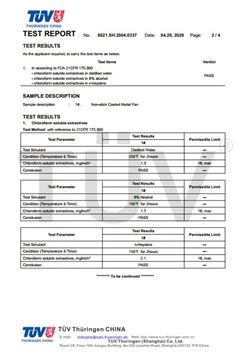
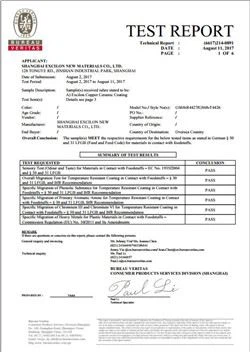
CERTIFICATE


FAQ
We're well-known as one of the leading fry pan / frying pan manufacturers and suppliers in China. We warmly welcome you to wholesale customized fry pan / frying pan at competitive price from our factory. Good service and quality products are available.
Aluminum Cookware Set, Eco friendly frying pan with lid, Ceramic Coated Aluminum Fry Pan


