

JIN HUA RONG XIN UNIVERSAL IMPORT & EXPORT CO.,LTD is a development company which have more than 10 years experience in cookware . We do OEM and ODM business ,Our special product have die casting aluminum cookware, forged aluminum cookware, stamp cookware and cookware accessories . We located JIN HUA CITY near to YIWU . During these years development , we have partner factories have more than 50000 square meter produce area ,and more than 600 well trained workers.
-
![Glass Lid for Pan]() Glass Lid for PanPerfect pan lid- Vented tempered glass pot lid with safe heat resistant knob
Glass Lid for PanPerfect pan lid- Vented tempered glass pot lid with safe heat resistant knob -
![Glass Lid for Cooker]() Glass Lid for CookerThe hole in the tempered glass allows for steam ventilation and prevents the possibility of overflowing pressure
Glass Lid for CookerThe hole in the tempered glass allows for steam ventilation and prevents the possibility of overflowing pressure -
![Glass Lid for Frying Pan]() Glass Lid for Frying Pan● High quality glass with 10% stainless steel and 90% glass. ●Tempered glass lid with stainless steel rim and handle. ● Transparent glass for clear viewing ,perfect for slow cooking and saute
Glass Lid for Frying Pan● High quality glass with 10% stainless steel and 90% glass. ●Tempered glass lid with stainless steel rim and handle. ● Transparent glass for clear viewing ,perfect for slow cooking and saute -
![Aluminum Wok Lid]() Aluminum Wok LidEasy replace the broken one ,no need to buy a whole new set of cookware if you lose ,break or wear out your old lids .simply buy this cover in an instant ,your set will be complete once again.
Aluminum Wok LidEasy replace the broken one ,no need to buy a whole new set of cookware if you lose ,break or wear out your old lids .simply buy this cover in an instant ,your set will be complete once again.


Why Choose Us
High Quality
We offer only high-quality products that meet international standards. All our products are well-tested before delivery to ensure that they are of the best quality.
Competitive Prices
Our prices are very competitive compared to other suppliers in the market. We believe in providing the best value for money to our customers.
Quality Control
We understand the importance of timely delivery to our customers. We have a dedicated team that ensures prompt delivery of goods to our customers.
Rich Experience
We offer a wide range of products including machinery, hardware, textiles, and other products. Our diverse product range ensures that we cater to the needs of all the customers.
Professional Team
Our customers are our priority, and we strive to provide excellent customer service. We have a dedicated team of customer service professionals who are always ready to assist our customers with their queries.
One-stop Solution
We offer our customers flexible payment options and also provide tailor-made solutions that meet their unique requirements.
Glass lids are designed for use in the kitchen, and they are used to cover pots and pans while cooking. These lids are made of glass, which is usually tempered. The glass lid is oven-safe when used properly.
Tempered glass is stronger than regular glass, making it more resistant to breaks, chips, and scratches. It is more resistant to damage from thermal shock, which can cause the glass to break or shatter under extreme temperature changes.
Advantages of Glass Lids
Keeping moisture inside
A glass lid ensures that all the steam stays in your pan. This is great for foods that are steamed, boiled, or stewed. The steam also helps to keep the food moist and tender.
Keeps the flavor inside
A glass lid can help you to preserve flavors in stews and soups. It ensures that your dish comes out with an intense flavor since all the goodness of your food remains inside the pan.
Dishwasher safe
Glass lids are also easy to clean and dishwasher safe, unlike some pans with special lids that can get damaged in a dishwasher. It means you can use and wash them safely in your dishwasher without worrying about any damage to them.
Perfect heat retention
Heat retention is essential in cooking healthy and delicious meals. You want to make sure that the food cooks as quickly as possible without any loss of flavor or nutrients.
Glass lids are perfect because they allow you to monitor your food easily without losing heat each time you lift the lid. They also prevent excess energy consumption, which ensures better heat retention.
Size convenience
Another benefit of using a glass lid on a skillet is that it can fit pretty much any size or brand of skillet. Glass lids come in various sizes and shapes, so you have plenty of options to pick from depending on your preferences.
High safety
Because tempered glass has the characteristics of high strength, heat resistance and impact resistance, the use of tempered glass can greatly reduce the risk of cracking the lid and prevent debris splashing people and glass fragments from polluting food.
High transparency
The tempered glass pot lid has high transparency and can clearly see the state of food in the pot, which is convenient for cooks to grasp the cooking progress.
Easy to clean
The surface of the tempered glass pot cover is smooth and not easy to hide dirt. You only need to gently wipe it with water to keep it clean, which is convenient for daily cleaning and maintenance.
Good heat resistance
The tempered glass pot lid can withstand high temperature cooking and will not break or deform due to temperature changes to ensure the cooking effect.
Environmentally friendly material: The tempered glass pot lid does not contain lead, mercury and other substances that are harmful to the human body. It is an environmentally friendly tableware.
Types of Glass Lids
There are various types of glass lids that are designed to meet the different needs of consumers in their kitchens. Here are some of the most common types of glass lids available in the market today:
Flat Glass Lid - This type of glass lid is a simple and basic model that is designed to cover pots and pans without any additional features. Flat glass lids are easy to clean, durable, and are suitable for cooking a wide variety of foods.
Domed Glass Lid - Domed glass lids are designed to accommodate larger and taller pots or pans. They provide sufficient space inside the pot for tall foods such as soups and stews. The domed lid shape also helps to create a vacuum seal, which helps to trap heat and steam inside the pot for a faster cooking experience.
Ventilated Glass Lid - These lids feature multiple vents that help to regulate airflow inside the pot or pan. This helps to control the amount of steam that is released during cooking, preventing the pot from boiling over. Ventilated lids are perfect for cooking rice, grains, and other foods that require a controlled amount of steam.
Tempered Glass Lid - These lids are designed to withstand high temperatures without breaking or shattering. Tempered glass lids are also more durable than regular glass lids.
Tinted Glass Lid - Tinted glass lids are designed to reduce the amount of light that enters the pot or pan during cooking, which helps to retain the heat and cook the food more evenly. These types of lids are perfect for slow-cooking or braising foods.
Specialty Glass Lid - Some glass lids come with additional features such as a built-in thermometer or a steam venting knob. These lids are designed specifically for certain types of cooking, such as candy making or baking.
Silicone Rimmed Glass Lid - These lids have a silicone edge that creates an airtight seal around the pot or pan, preventing steam from escaping during cooking. The silicone also helps the lid to remain in place on the pot or pan, reducing the risk of spills or accidents.

A glass lid is an essential kitchenware used for cooking, food storage, and serving purposes. It is commonly used in various types of cookware such as pots, pans, and skillets. Here are some applications of a glass lid in more detail:
Cooking: Glass lids are primarily used for cooking purposes. They allow you to see the cooking process without having to lift up the lid and release the steam, which is crucial in maintaining the desired temperature and consistency of the food.
Food Storage: Glass lids are also used for storing leftovers or prepped meals. They help to seal in the freshness and aroma of the food, as well as prevent spillage and contamination from external sources.
Serving: Glass lids can also be used for serving purposes, especially for dishes that need to be kept warm or cold for a certain period. The lid helps to maintain the temperature and keep the food fresh, making it ideal for buffet-style meals or potluck dinners.
Aesthetics: Apart from its functional uses, a glass lid also adds an aesthetic value to your kitchen. It adds a modern and sleek look to your cookware and provides a clear view of the food inside.
Safety: Lastly, glass lids are durable and resistant to heat, making them safe to use in any cooking situation. They are easy to clean and maintain, and they do not react with acidic ingredients or leave any metallic taste on your food.
The process of making a glass lid can vary depending on the size and shape of the lid and the type of glass being used. However, the following is a general outline of the process:
Glass selection: The type of glass used will depend on the intended use of the lid. For example, tempered glass is a popular choice for cookware lids as it is more durable and can withstand high temperatures.
Cutting: The glass is cut to the desired size and shape using glass cutting tools or machinery.
Grinding and polishing: The edges of the glass lid are smoothed out and polished to ensure a clean and safe finish.
Tempering: If the glass is intended for cookware, it may need to be tempered. Tempering involves heating the glass to high temperatures and then cooling it rapidly to improve the strength and durability of the glass.
Printing
If the glass lid is to be decorated with a pattern or logo, it can be printed onto the glass using a specialized printing process.
Assembly
The glass lid is attached to the cookware using various methods such as a metal rim or rubber gasket.
Quality control
The final product is inspected for any defects or imperfections before being packaged and shipped out.
Components of Glass Lids
Glass
The main component of a glass lid is the material itself, which is typically made from tempered glass, which is heat-treated to increase its strength and resistance to breakage.
Handle
The handle is typically made of a durable material such as stainless steel or plastic, and is attached to the glass lid either by rivets or screws. It may also have a non-slip grip or other features to make it easy to handle.
Rim
The rim of the glass lid is typically made from a metal such as stainless steel, or may have a silicone seal to create an airtight seal with the pot or pan.
Vent or Knob
Some glass lids have a vent or knob to release steam during cooking, which helps prevent food from boiling over or becoming too dry.
Edges
The edges of the glass lid may be rounded or beveled to help prevent chipping or cracking, and to make it easier to clean.
Coating
Some glass lids may have a non-stick or scratch-resistant coating to make them more durable and easier to clean.
Thickness
The thickness of the glass can vary depending on the manufacturer and the intended use of the lid, with thicker lids being more durable but also more heavy and less responsive to changes in temperature.
How to maintain Glass Lids
Maintaining a glass lid is very important to ensure that it remains clean and clear, and to also ensure that it lasts a long time. Here are a few tips on maintaining a glass lid:
Clean the lid regularly: The glass lid needs to be cleaned regularly to prevent the build-up of dirt and grime. Use a soft cloth or sponge with warm, soapy water to clean the lid. Avoid using harsh chemicals or abrasive cleaning tools as they can scratch or damage the glass.
Dry the lid properly: After cleaning, dry the lid properly with a soft cloth or towel. Moisture can cause the glass to fog up or get cloudy, so make sure to dry it completely.
Avoid extreme temperatures: Glass can crack or break under extreme temperatures, so avoid exposing the lid to sudden changes in temperature. For example, don't put a hot glass lid in cold water or put a cold lid in a hot oven.
Store it safely: When not in use, store the glass lid in a safe place where it won't get knocked over or damaged. Keep it away from other items in the kitchen that can scratch or chip the glass.
Handle with care: When handling the glass lid, be gentle and avoid dropping or knocking it against hard surfaces. This can cause cracks or chips that can make the lid unsafe to use.

If your glass lids are looking a little foggy, don't despair! With a little elbow grease and the right cleaning supplies, you can get them looking shiny and new again. Here's how:
First, gather your supplies. You'll need white vinegar, a soft cloth, and a scrub brush. Next, pour some vinegar onto the cloth and rub it over the surface of the lid.
Be sure to cover the entire lid, including any crevices or raised designs. After you've given the lid a good scrub with the vinegar-soaked cloth, use the brush to scrub away any stubborn grime. Rinse well with warm water when you're finished.
Dry the lid off with a clean towel and admire your handiwork! Your foggy glass lid should now be sparkling clean.
Water Trapped in Glass Lid
How to Get Water Out of a Glass Lid If you've ever tried to pour water out of a glass lid, you know that it can be a frustrating experience. The water seems to defy gravity, clinging to the sides of the lid and refusing to come out.
But there is a way to get that water out-you just need to know how. The first step is to wet the rim of the lid with your finger. This will help break the surface tension that's keeping the water in.
Next, place your thumb over the hole in the center of the lid and give it a good firm push. The pressure from your thumb should be enough to release the water, which will then flow freely out of the hole. If you're still having trouble getting all of the water out, try tilting the lid slightly so that one side is higher than the other.
This will create a small channel for the water to follow as it flows out. Just be careful not to spill too much!
- Whether you're a beginner or a pro in the kitchen, having the right cookware is essential to making delicious meals. One type of cookware that is often used by both home cooks and professional chefs alike is cast iron. Cast iron pots and pans are known for their durability and even heat distribution, making them ideal for cooking a variety of dishes.
- And when paired with a glass lid, cast iron becomes an even more versatile kitchen tool. Here's everything you need to know about using cast iron cookware with glass lids: The Benefits of Using Cast Iron Pans With Glass Lids
- There are several benefits to using cast iron pans with glass lids: They help to retain moisture. When cooking with cast iron, it's important to remember that the key to success is in the seasoning of the pan.
- A well-seasoned pan will have a natural non-stick surface that helps to prevent sticking and makes cleanup a breeze. However, one downside of cooking with cast iron is that it can cause your food to dry out quickly if not properly seasoned or used correctly. Adding a glass lid to your pan will help trap in moisture so your food doesn't dry out as quickly, resulting in juicier, more flavorful dishes.
Our Factory
JIN HUA RONG XIN UNIVERSAL IMPORT & EXPORT CO.,LTD is a development company which have more than 10 years experience in cookware . We do OEM and ODM business ,Our special product have die casting aluminum cookware, forged aluminum cookware, stamp cookware and cookware accessories .


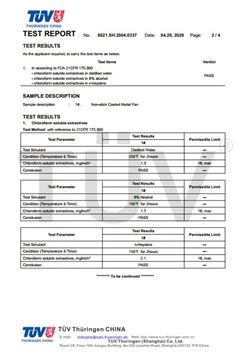
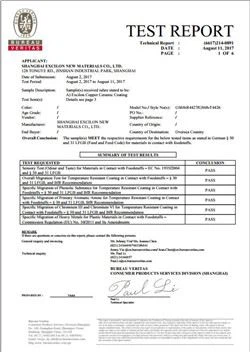
CERTIFICATE


FAQ
We're well-known as one of the leading glass lid manufacturers and suppliers in China. We warmly welcome you to wholesale customized glass lid at competitive price from our factory. Good service and quality products are available.
Square Pan, Glass Lid For Cooker, Aluminum Wok Lid


