

JIN HUA RONG XIN UNIVERSAL IMPORT & EXPORT CO.,LTD is a development company which have more than 10 years experience in cookware . We do OEM and ODM business ,Our special product have die casting aluminum cookware, forged aluminum cookware, stamp cookware and cookware accessories . We located JIN HUA CITY near to YIWU . During these years development , we have partner factories have more than 50000 square meter produce area ,and more than 600 well trained workers.
-
![Non-stick Casserole Pot]() Non-stick Casserole PotA non-stick casserole pot is a type of cooking vessel designed for preparing a variety of dishes such as stews, casseroles, sauces, soups, and more. It is made of high-quality materials like
Non-stick Casserole PotA non-stick casserole pot is a type of cooking vessel designed for preparing a variety of dishes such as stews, casseroles, sauces, soups, and more. It is made of high-quality materials like -
![ALUMINUM CASSEROLE SET WITH MARBLE COATING]() ALUMINUM CASSEROLE SET WITH MARBLE COATINGALUMINUM CASSEROLE SET WITH MARBLE COATING Feature : ² 2 different size casserole sets meets more different cooking request . ² Welding two ears easy to hold pot when using , aluminum alloy stamped
ALUMINUM CASSEROLE SET WITH MARBLE COATINGALUMINUM CASSEROLE SET WITH MARBLE COATING Feature : ² 2 different size casserole sets meets more different cooking request . ² Welding two ears easy to hold pot when using , aluminum alloy stamped -
![Aluminum Pot Set]() Aluminum Pot Set● Different pot size meet different kind of food cooking. ● Durable 3 layers marble coating. ● Can use for induction cooker
Aluminum Pot Set● Different pot size meet different kind of food cooking. ● Durable 3 layers marble coating. ● Can use for induction cooker -
![Aluminum Kitchen Pot]() Aluminum Kitchen Pot● Zero PFOA ceramic coating with good nonstick performance. ● 2 soft touch ear for easy carry. ● Natural 2 layers white ceramic coating with excellent nonstick
Aluminum Kitchen Pot● Zero PFOA ceramic coating with good nonstick performance. ● 2 soft touch ear for easy carry. ● Natural 2 layers white ceramic coating with excellent nonstick -
![Aluminum Pot In Oven]() Aluminum Pot In Oven● Could use in oven 250F. ● Detachable ears. ● 3 layers granite coating with hard surface and not easy scratch
Aluminum Pot In Oven● Could use in oven 250F. ● Detachable ears. ● 3 layers granite coating with hard surface and not easy scratch -
![Non-stick Casserole Pot]() Non-stick Casserole Pot● Mini non-stick casserole pot. ● Cold touch bakelite handle. ● 2 layers nonstick Teflon coating
Non-stick Casserole Pot● Mini non-stick casserole pot. ● Cold touch bakelite handle. ● 2 layers nonstick Teflon coating -
![Casserole with Lid]() Casserole with Lid● Classic casserole with lid. ● Safe and cool touch bakelite handle. ● Robust non stick ,2 layers of anti-scratch non stick offer excellent abrasion resistance
Casserole with Lid● Classic casserole with lid. ● Safe and cool touch bakelite handle. ● Robust non stick ,2 layers of anti-scratch non stick offer excellent abrasion resistance -
![Aluminum Pot for Cooking]() Aluminum Pot for CookingLightweight design makes for a comfortable cooking experience. Dishwasher safe makes for effortless clean up. Stay silicon soft touch handles are cool to touchà
Aluminum Pot for CookingLightweight design makes for a comfortable cooking experience. Dishwasher safe makes for effortless clean up. Stay silicon soft touch handles are cool to touchà -
![Aluminum Casting Pots Set]() Aluminum Casting Pots SetDurable non-stick ceramic coating which is free of PFOA and ensure you cook daily healthy meal with less oil or free oil
Aluminum Casting Pots SetDurable non-stick ceramic coating which is free of PFOA and ensure you cook daily healthy meal with less oil or free oil -
![Aluminum Cast Skillet]() Aluminum Cast SkilletDurable quality, say no to deformation : Die-casting technology make our skillet extremely durable and anti-warping
Aluminum Cast SkilletDurable quality, say no to deformation : Die-casting technology make our skillet extremely durable and anti-warping


Why Choose Us
High Quality
We offer only high-quality products that meet international standards. All our products are well-tested before delivery to ensure that they are of the best quality.
Competitive Prices
Our prices are very competitive compared to other suppliers in the market. We believe in providing the best value for money to our customers.
Quality Control
We understand the importance of timely delivery to our customers. We have a dedicated team that ensures prompt delivery of goods to our customers.
Rich Experience
We offer a wide range of products including machinery, hardware, textiles, and other products. Our diverse product range ensures that we cater to the needs of all the customers.
Professional Team
Our customers are our priority, and we strive to provide excellent customer service. We have a dedicated team of customer service professionals who are always ready to assist our customers with their queries.
One-stop Solution
We offer our customers flexible payment options and also provide tailor-made solutions that meet their unique requirements.
A casserole is a dish made by baking items, typically vegetables, meat, and/or starches, together in an oven-proof dish. The ingredients are typically layered, seasoned, and cooked until tender. Common types of casseroles include lasagna, macaroni and cheese, shepherd's pie, and chicken and rice. Casseroles are often served as a main dish and are popular for their convenience and ability to be made ahead of time.
Casseroles are typically prepared in a deep, oven-safe dish and are baked in the oven until the ingredients are fully cooked and the top is golden brown and crispy. Many casseroles are prepared in advance and refrigerated or frozen until ready to bake, making them a convenient choice for busy families.
Advantages of Casserole

01.Time saver
02.Prep, freeze and serve
03. Don't skimp on the dairy
04.You can use deep dish
05.As you wish
06.Liven it up
Types of Casserole
Meat Casserole:
This type of casserole is made up of meat, such as beef, pork, chicken or turkey, vegetables, and sometimes potatoes or pasta. It is an excellent way to incorporate protein and vegetables in a single dish. The sauce can be tomato-based, creamy, or broth-based.
Vegetable Casserole:
A vegetable casserole is a popular choice for vegetarians or those looking to eat more plant-based meals. It typically consists of a variety of vegetables, such as zucchini, carrots, bell peppers, and onions, cooked with cheese, breadcrumbs, and spices, giving it a delicious flavor.
Breakfast Casserole:
Breakfast casseroles are perfect for morning get-togethers and can be made ahead of time. They often include eggs, cheese, sausage, or bacon, and vegetables like mushrooms, spinach, and onions. Bread, potatoes, or rice can also be added to make it more substantial.
Pasta Casserole:
Pasta casseroles are made with pasta, a tomato-based sauce, meat, vegetables, and cheese. They are easy to make and are perfect for feeding a crowd. Classics like macaroni and cheese and lasagna also fall into this category.
Seafood Casserole:
This type of casserole is perfect for seafood lovers, and it is a great way to incorporate fish or shellfish into your diet. Some common ingredients in seafood casseroles include shrimp, scallops, crab, salmon, tuna, and cod.
Sweet Casserole:
Sweet casseroles are perfect for dessert and are made with ingredients such as fruits, nuts, chocolate, or marshmallows. Some popular sweet casseroles include apple crisp, peach cobbler, and sweet potato casserole.
Side Dish Casserole:
Side dish casseroles are an excellent accompaniment to any meal. They can have a variety of ingredients, such as vegetables, grains, or potatoes, and are often topped with cheese or breadcrumbs. Some popular side dish casseroles include green bean casserole, cheesy hash brown casserole, and sweet corn casserole.
Mexican Casserole:
Mexican casseroles are a delicious and easy way to incorporate Mexican flavors into your meals. They typically include beans, rice, cheese, and salsa, and can be made with either ground beef, shredded chicken, or vegetables. They are often topped with tortilla chips or cornbread.
Material of Casserole
A casserole is a type of cookware made of different materials such as ceramic, glass, stainless steel, aluminum, and cast iron. Each material has its own advantages and disadvantages, which makes them suitable for different types of cooking.
Ceramic casseroles are ideal for slow-cooking dishes as they retain heat well and distribute it evenly. They are also aesthetically pleasing and come in different shapes and designs. However, they are not as durable as other materials and may crack or chip easily.
Glass casseroles are great for baking and serving dishes. They are easy to clean, non-reactive, and allow you to monitor the cooking process. However, they are not suitable for stovetop cooking, and they can be prone to breaking or shattering.
Stainless steel casseroles are durable, non-reactive, and resistant to corrosion. They are great for browning and searing dishes and can withstand high temperatures. However, they are not great at retaining heat, and food may stick to the surface if not properly greased.
Aluminum casseroles are lightweight, affordable, and great at conducting heat. They are suitable for stovetop cooking and are easy to clean. However, they may scratch easily, especially when using metal utensils, and may react with acidic foods.
Cast iron casseroles are heavy, durable, and great at retaining heat. They are versatile and can be used for stovetop cooking, baking, and grilling. They also add iron to your diet, which has health benefits. However, they require seasoning and maintenance, and they can be difficult to clean.
Application of Casserole
Casserole is a versatile type of dish that combines several ingredients into a single dish that is baked in the oven. It can be served as a main dish or a side dish, and it's usually a delicious and satisfying meal that can feed a large group of people.
There are many different types of casseroles that can be made, and the ingredients can vary depending on personal preferences. Some common ingredients used in casseroles include meat, vegetables, pasta, rice, beans, cheese, and cream-based sauces.
One popular example of a casserole is a chicken casserole, which is made by combining chicken, rice, vegetables, and a cream-based sauce. The ingredients are placed in a baking dish and baked in the oven until the chicken is cooked through and the rice is tender. Cheese can also be added on top to create a delicious and melty layer.
Another type of casserole is a breakfast casserole, which is typically made with eggs, cheese, bread, and various types of breakfast meats such as bacon or sausage. They can be prepared the night before and then baked in the oven in the morning for a quick and easy breakfast option.
Casseroles are also great for using up leftovers. You can combine leftover meat, vegetables, and pasta or rice with a cream-based sauce and cheese to create a delicious meal that will not only save food waste but also save time and money.
Process of Casserole
- Preheat the oven to the required temperature as directed by the recipe.
- Choose the casserole dish. It should be made up of heat-resistant glass or ceramic materials. Grease the bottom and sides of the container with butter or cooking spray to prevent food from sticking.
- Prepare the ingredients according to the recipe. Cut and chop all the vegetables and meats.
- Cook all the meats before adding them to the casserole. Brown the meat in a pan and remove it from the heat.
- Combine the ingredients in the casserole dish as per the recipe instructions. Add layers of meat, vegetables, sauce, cheese, and breadcrumbs, or pasta as required.
- Cover the casserole with a lid or aluminum foil.
- Bake the casserole in the preheated oven for the recommended time, as per the recipe instructions.
- Check the casserole from time to time to see if it is cooked thoroughly. Pierce the center of the dish with a fork to check if it is cooked. If it comes out clean, the casserole is ready.
- Remove the casserole from the oven. Let it stand for a few minutes before serving.
- Garnish with fresh herbs, spices, or cheese as required. Enjoy your delicious casserole dish.

Components of Casserole
A casserole typically consists of several components including:
Protein: This forms the base of the casserole and can be in the form of chicken, beef, pork, or seafood.
Vegetables: Casseroles usually have vegetable components that can be diced, chopped, or sliced. Common vegetables include onions, peppers, celery, carrots, potatoes, and tomatoes.
Starchy ingredients: These are responsible for thickening the casserole and adding flavor. Examples include rice, pasta, bread crumbs, or potatoes.
Sauce: A casserole usually contains a sauce that binds all the ingredients together. The sauce can be a creamy sauce, tomato-based sauce, or a gravy.
Cheese: Most casseroles include cheese, which adds flavor and helps to bind the ingredients together.
Seasonings: These include herbs, spices, and condiments that add flavor to the dish. Common seasonings include garlic, thyme, oregano, salt, and pepper.
Toppings: This refers to any additional ingredients that are added to the top of the casserole before baking. Examples include bread crumbs, cheese, or sliced vegetables.

Casserole dishes are a popular and versatile kitchen item that are perfect for cooking and serving large batches of food. They're especially handy for family dinners, potlucks, and holiday gatherings. However, to keep your casserole dishes in good condition and ensure they last for years, you need to take proper care of them. Here are some tips for maintaining your casserole dishes:
Cleaning- Always rinse the casserole dish with hot water immediately after use and before food dries on the surface. One can also use a sponge or soft cleaning brush to remove remaining food. Avoid using abrasive cleaners or steel wool as they can scratch the surface. Always let the dish cool before washing to prevent cracking. Also always avoid immersing a hot dish in cold water. For stubborn stains, soak the dish in a solution of hot water and mild dish soap.
Storage- Always store casseroles in a clean and dry place. It can be kept with other bakeware, but ensure it is not stacked on top of other dishes, as it could cause chipping or scratches.
Oven use
Casserole dishes are oven-safe but be careful while preheating the oven. Never put a cold casserole dish straight into a hot oven, as the sudden temperature change can cause breakage. Instead, put it in a heated oven.
Microwave
Check the label of your casserole dish before microwaving. Some dishes are not safe in microwave or are not suitable for heating for long periods. In general, transfer food to a microwave-safe dish or storage container before reheating.
Transporting
While transporting the casserole dish, it's vital to keep it secure. Make sure the dish has a tight-fitting lid, or use plastic wrap or aluminum foil to cover it. Put the dish in a large baking dish, a cardboard box, or an insulated carrier to keep it insulated and stable.
Tips on slow cooking while trying out casserole recipes
Here are some tips that you will find helpful while Slow-cooking:
Avoid opening and closing the lid
Frequent opening and closing of the lid should be strictly avoided, unless, of-course if the recipe asks you to. Remember, every time you open the lid, the heat and moisture escapes adding another 30 minutes to the cooking time.
Precook beans
Some beans like raw kidney beans or the broad or fava beans contain a toxic substance in them which can only be destroyed if they are cooked for at least ten minutes in boiling water. The lower temperature in a slow-cooker is not sufficient to destroy the toxins, leading to poisoning of the food. Few such cases have already been reported. To avoid the risk, always keep in mind to use canned and cooked beans according to your recipe.
Pay attention to the quantity of water
Recipes meant for conventional cooking methods need to be modified to suit slow-cooking. Since the slow-cooker allows very little evaporation, quantities of liquids in most cases have to be reduced suitably. However, see to it that the liquid covers the food entirely.
Tips on casserole recipes with meat
If you are cooking with meat, use tough and inexpensive cuts. In case of slow-cooking, cheaper cuts of meat are even tastier than stews which are made using expensive cuts.
Give enough cooking time
The food must be given enough time to cook before it is eaten. If the food is allowed to cool below 70 degree Celsius and is not re-heated, harmful bacteria growth is possible. Some bacteria may produce toxins or spores which can't be destroyed even by re-heating.
Keep your food warm
Don't turn off the heat of your slow-cooker and use it to keep the food warm inside. The temperature won't be high enough to prevent the growth of bacteria. Instead, remove the food from the cooker immediately after it has been cooked and store it properly.
Choosing casserole recipes
Choose casserole recipes like chili, stews and sauces. These have a high moisture content which would help in even distribution of the heat inside the cooker. Also, defrost the meat and vegetables in the refrigerator before you start cooking.
A small trick for faster cooking
Keep the cooker on the highest temperature setting for the first one hour of the cooking time and then change it to another setting, as instructed in your recipe.
Avoid overcooking your food
Don't keep the finished dish in the cooker for long because the food would still continue to cook. Overcooking may cause the meat and vegetables to become tasteless.
Consumption of food in case of a power cut
If you come home and find out that the power had gone while the food had been cooking, check the temperature of the food. If you find it is less than 165 degree Fahrenheit, the food is not safe to consume.
Easy cleaning tip
Spray the inside of the ‘crock’, which is the ceramic pot, with non-stick cooking spray before you add the food. This will make the job of cleaning-up afterwards a lot easier.
Our Factory
JIN HUA RONG XIN UNIVERSAL IMPORT & EXPORT CO.,LTD is a development company which have more than 10 years experience in cookware . We do OEM and ODM business ,Our special product have die casting aluminum cookware, forged aluminum cookware, stamp cookware and cookware accessories .


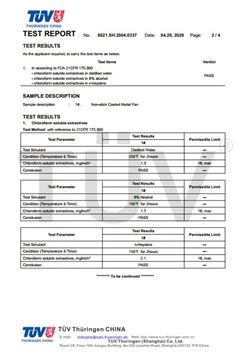
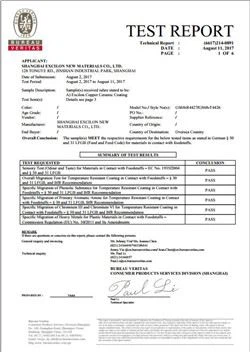
CERTIFICATE


FAQ
We're well-known as one of the leading casserole/pot manufacturers and suppliers in China. We warmly welcome you to wholesale customized casserole/pot at competitive price from our factory. Good service and quality products are available.
Kitchen Set, Aluminum Cast Skillet, Non stick Casserole Pot


