We'll learn from a new healthy eating template developed by nutrition experts at the Harvard School of Public Health in collaboration with Harvard Health. The Healthy Eating Template can be your blueprint for a healthy, balanced meal, and it addresses a major flaw in the USDA's MyPlate.
How to follow the healthy eating template? It is divided into the following parts:
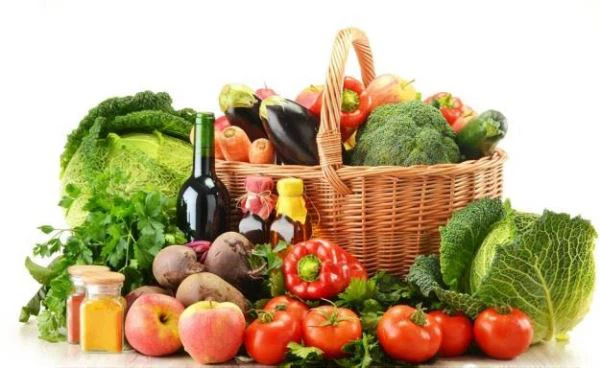
1. Vegetables and fruits should make up half of your plate:
The darker and more varied the food in this part of the food template, the better. Potatoes and French fries do not count as vegetables on the healthy diet template because they are high in fast-digesting starches (known as carbohydrates), in the same way that white bread and sweets have a chain effect on blood sugar and insulin. In the short term, this will lead to hunger pangs and overeating in the long term. Can lead to weight gain, diabetes and other health problems.
2. Whole grains should make up a quarter of your plate -- not any grains is ok:
Seasonal whole grains include whole grains, brown rice, and foods made with them. Whole wheat pasta, for example, has a milder effect on blood sugar and insulin than white bread, white rice and other so-called "refined grains." That's why the healthy eating template mentions choosing whole grains, as less processed is better, and limiting your intake of refined grains.
3.The protein which have healthy sources should make up a quarter of your plate:
Choose fish, chicken, beans, nuts and other foods because they contain beneficial nutrients, such as heart-healthy omega-3 fatty acids in fish and fiber in beans. One egg a day is good for most people (diabetics should limit their egg intake to three yolks a week). Limit your intake of meats such as beef, pork and lamb, and avoid processed meats such as bacon, cold cuts, and hot dogs, because eating these foods regularly, even in small amounts, can increase your risk of heart disease, diabetes, and colon cancer over time.
4. Use healthy vegetable oils:
The glass bottle next to the food template for healthy eating reminds us that healthy vegetable oils should be consumed in cooking, making salads, and at the table, such as olive oil, canola oil, soybean oil, corn oil, sunflower oil, peanut oil and so on. Limit your butter intake and avoid unhealthy trans fats and hydrogenated oils. Read more about healthy fats.
5. Drink water, coffee and tea:
Drink a glass of water to complete your healthy eating template. If you like, a cup of tea or coffee (unsweetened or lightly sweetened) is fine.
Limit your milk and dairy intake - one to two cups a day, as high intake can increase the risk of prostate or ovarian cancer.
Limit your fruit juice intake - one small cup a day, as fruit juices, like sugary sodas, are high in sugar. Avoid sugary drinks, as they have no nutritional value other than providing a lot of calories. Regular consumption of sugary drinks can lead to weight gain over time. It also increases the risk of diabetes and may increase the risk of heart disease. You can learn more about healthy drinks in the book, or more about calcium, milk and healthy books.
6. Stay active:
The running avatar icon below the healthy food template reminds us to stay active and keep moving, because it is half the secret of our success in weight control. The other half is eating a healthy diet to meet our caloric needs.